Spotlight on… Bernard Omboto Onguso, Aviation Fuel Strategist, Fueling Africa Aviation
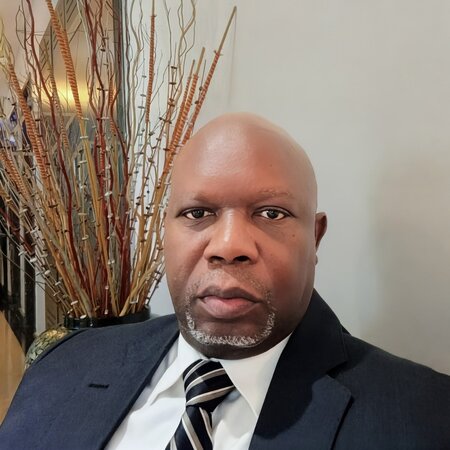
Each week, CargoForwarder Global’s ‘Spotlight On…’ brings a different segment of the air cargo industry to the fore, to show just how varied the careers in this industry are. Air cargo cannot exist without aircraft which, in turn, require fuel to function. Aviation fuel is one of the defining factors in air cargo’s cost, reliability, and sustainability, therefore research, development, education, and consulting in this field are vital to the industry’s future. As fuel prices, supply chains, decarbonization mandates, and Sustainable Aviation Fuel requirements become increasingly complex, cargo operators need expert insight to make informed commercial and operational decisions. Resilient fuel infrastructure can directly influence trade growth, network connectivity, and logistics capacity. Through specialist knowledge-sharing and practical advisory work, aviation fuel experts help the air cargo sector manage risk, reduce emissions, and build more secure, future-ready supply chains. This week, Bernard Omboto Onguso (BO), independent Aviation Fuel Strategist and Founder of Fueling Africa Aviation, gives insight into his role, and shares views and advice to those looking to enter the industry. Pushing boundaries, overcoming gravity, and building pan-African and stakeholder collaborations. Image: Bernard Onguso CFG: What is your current function and company? And what are your responsibilities? BO: I operate as an independent Aviation Fuel Strategist, Deal Originator, and Author via my advisory platform, fuelingafricanaviation.com. My overarching goal is to push Sustainable Aviation Fuel (SAF) development and accelerate overall aviation sector growth across the continent by driving stakeholder awareness and integrated educational frameworks. In line with this, I actively collaborate with the East African NM-AIST PhD hub to mentor and cultivate ‘T-Shaped’ professionals who can expertly bridge academic research with the commercial realities of aviation, air cargo logistics, finance, policy, and the agro-industrial energy sector. Professionally, I also serve as the independent verification authority for institutional investors looking to navigate and de-risk fuel asset infrastructure entry across frontier markets. CFG: What does a normal day look like for you? BO: There is no ‘normal’ day, only a balance between operational fire-fighting and legacy building. I spend my day looking at how we expand aviation, SAF, logistics, and technology in light of emerging world trends. A significant portion of my time is dedicated to mapping out and orchestrating local, regional, and global partnerships to move these critical initiatives forward. I have authored the first two practitioner books in this genre: ‘Fueling African Aviation: The Definitive Guide’ and ‘Fueling African Aviation: The Deal Maker’s Guide’. Rather than static text, these first two books serve as a practical, commercial operating system designed to bridge Western technology, patient capital, and blended finance with Africa’s massive feedstock potential. By organizing these multi-layered elements, we are setting up a framework that directly strengthens regional trade and expands air cargo logistics capacity. CFG: How long have you been in the air cargo industry, and what brought you to it? BO: I have spent over 31 years engineering the ‘Refinery-to-Wing’ fuel lifecycle. I spent 18 years running front-line operations, supply chain logistics, and airport joint ventures for energy majors across North, East, and West Africa. Around 2009/2010, I was directly involved in the pre-commissioning of the jet fuel assets at Al Maktoum International Airport (DWC) in the UAE. That massive project perfectly demonstrated the absolute importance of deep stakeholder collaboration across different sectors in aviation – bringing together fuel infrastructure, airport authorities, energy majors, and cargo operators to launch a world-class logistics hub. What brought me into this space was the raw, undeniable math of freight logistics: fuel constitutes roughly one-third to a half of all airline and cargo operating costs. I realized early on that if you do not master the molecular and financial mechanics of fuel logistics, your cargo network is functionally grounded. CFG: What do you enjoy most about your job? BO: The radical independence to navigate the high-stakes intersection of aviation, air cargo logistics, and energy, allowing me to focus entirely on passing on critical industry knowledge. Energy, air freight, and aviation markets are inherently volatile – constantly shifting under seasonal demand surges, macroeconomic risks, and sudden global trends like the tightening of CORSIA and EU mandates. I thoroughly enjoy helping operators adapt to these macro risks in real-time, mapping out the precise hedging, logistics routing, and price-risk frameworks needed when sudden geopolitical shocks or supply bottlenecks disrupt global freight networks. My ultimate goal is to inspire, pass o