Hormuz dispute shifts from access to control
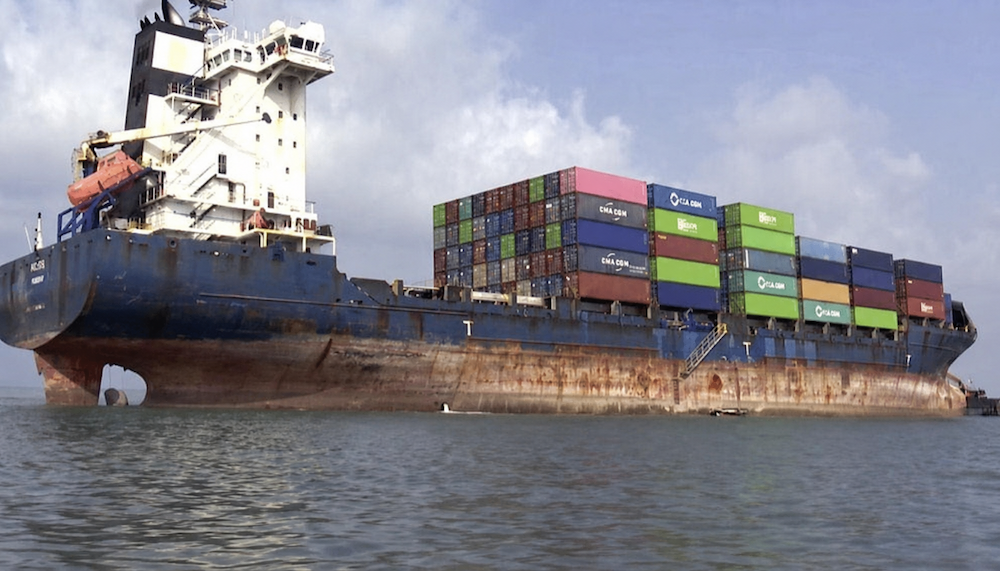
Indirect technical talks between Washington and Tehran in Doha concluded this week with a narrow understanding to keep the Strait of Hormuz quiet for seven days – buying time for negotiations that are, two weeks into a 60-day window, still deadlocked over the terms of a memorandum of understanding both sides have already signed. The assessment from those close to the talks was bleak. The collapse of the initial MOU currently looks more likely than agreement on a final deal. Iran’s parliamentary speaker and chief negotiator Mohammad Baqer Qalibaf was categorical on the matter, saying Iran was “currently not negotiating with the United States at all.” Qatar’s Foreign Ministry confirmed that no direct high-level meetings between US and Iranian officials took place, with technical delegations alternating between Doha and other locations to preserve a communication mechanism established during the Switzerland talks. The core dispute has not shifted. Iran is insisting on joint sovereignty over the strait alongside Oman, with both countries to administer it and collect passage fees once the 60-day MOU period expires. Washington’s position is that any new arrangements in an international waterway must be endorsed by Gulf countries more broadly. US secretary of state Marco Rubio has said previously that an Iranian tolling system would make a diplomatic deal unfeasible. Oman has separately delivered a proposal to the US and allies under which shipping companies would pay service fees to use the waterway – a development that has alarmed Western governments and Gulf allies who fear it could lay the groundwork for a joint Iran-Oman fee regime on one of the world’s busiest energy corridors. Into that already volatile picture dropped a grounding that told a larger story than any single navigational incident normally would. Iranian state media reported on Tuesday that a foreign containership had run aground in shallow waters after failing to use Tehran’s approved passage route through the strait, using the incident to demand that vessels coordinate transit through what it calls its authorised corridor south of Larak Island. Iran warned that choosing routes other than its designated passage “may lead to irreversible incidents.” Maritime intelligence outfit TankerTrackers.com subsequently identified the vessel as the Comoros-flagged containership Arista, a 20,643 dwt vessel built in 2006 and listed under US Treasury OFAC Iran-related sanctions in July 2025 under the name Gauja, associated with Reel Shipping. Public AIS data showed the vessel’s navigational status as aground at coordinates north of Hormuz Island – and, critically, showed it had been in that position since mid-March 2026. TankerTrackers.com also noted the ship forms part of an operation managed by Mohammad Hossein Shamkhani, son of the late senior Iranian security official Ali Shamkhani. Sam Chambers Starting out with the Informa Group in 2000 in Hong Kong, Sam Chambers became editor of Maritime Asia magazine as well as East Asia Editor for the world’s oldest newspaper, Lloyd’s List. In 2005 he pursued a freelance career and wrote for a variety of titles including taking on the role of Asia Editor at Seatrade magazine and China correspondent for Supply Chain Asia. His work has also appeared in The Economist, The New York Times, The Sunday Times and The International Herald Tribune. Read Next July 2, 2026 Wagenborg and Carisbrooke line up ice-class newbuilds in China July 2, 2026 Bangladesh’s Akij books four bulker newbuilds in China July 2, 2026 Seanergy turns to Euronext Athens for fleet expansion July 2, 2026 AP Moller Holding takes over Ocean Yield July 2, 2026 The danger of stories that refuse to fade Back to top button