The danger of stories that refuse to fade
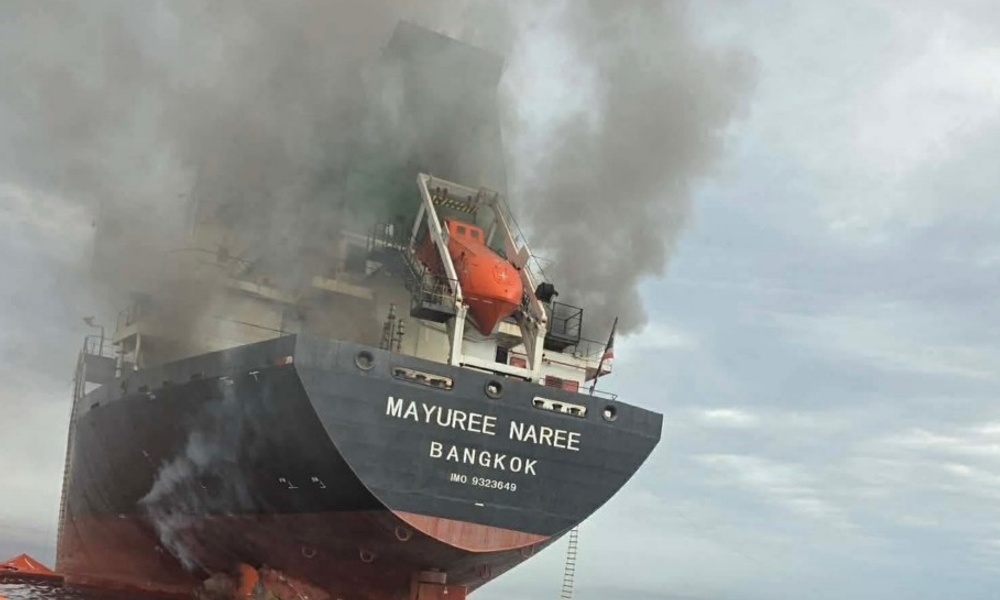
Royal Thai Navy What the shape of the attention tells us about who is winning in the Strait of Hormuz. By crisis communications consultant Dustin Eno. The Maritime Attention Index (MAI), a standardised measure of how much real attention shipping is getting, has now sat above its long-term average for longer than at any point since we started calculating it. As I write this, the run is past 230 days and counting. That’s the headline. It isn’t the interesting part. The interesting part is the shape. In crisis communications, we sometimes talk about the shape of a story. Let me explain what I mean by “shape”. Imagine a fire onboard. It’s extinguished quickly, no one is hurt, the smoke and flames are briefly highly visible, but communications about the incident are handled well. That story has a predictable pattern — a sharp spike on day one, maybe day two, then a steady erosion as the half-life of attention pulls interest back down to nothing. That is exactly what we want. The story dies. Other stories have a very different shape. They look like they’re dying away — and then they come back. And they keep coming back, over and over. Fairly reliably, each spike tends to be lower than the last, and eventually the story does die, but not in anything like a smooth curve. These recurring spikes are more dangerous than people give them credit for. Each one drags attention back to the story and etches it a little more deeply on the reputations of the parties involved. If this was happening because of good news (e.g. fire being extinguished) it might have benefits, but usually that’s not the case. A story that keeps coming back tends to have two ingredients: The situation keeps having negative developments, and… Someone benefits from keeping attention on the story (e.g. activists, politicians, litigants, etc.). And those who want to keep the story coming back have an easier time of it if the company at the centre of the situation isn’t managing the story well. Even when the bad news is genuinely outside your control, a well-managed story anticipates the next blow and heads off as much of it as it can. You won’t eliminate the subsequent spikes — but you can keep them small in comparison to the first spike. What about the situation in the Strait of Hormuz which is what’s keeping attention on the maritime industry high? Look at the MAI over the last few months (see chart below). Attention spiked in March right after the war started and then has continued to spike regularly every couple of weeks — each spike is broadly lower than a recent peak, but it never falls back to the long-term average. That is the shape of an incident that keeps producing negative impact. It is also the shape of a story where someone is benefiting from keeping it alive — and outmanoeuvring the people who want it gone. I’m not a military expert or a regional strategist, but as a communications strategist it is clear to me that the Iranian leadership benefits from the story staying front of mind (keeps oil prices up and negotiating power in their hands), while the American administration would really like the story gone. Thought of through the lens of any crisis communication situation, the story keeps spiking because the party with the most reason to quiet it isn’t controlling the narrative. Whether that’s a failure of strategy or simply having the harder hand to play, the shape of the story in this case is the same shape we see on the ground when a company loses control of its own incident. In my last column I called on our industry to do more to keep maritime stories in the headlines — and to some extent we have. But let’s be honest about what’s driving this. It isn’t us. The elevated attention month after month — that’s being driven by forces far beyond the efforts of our industry. The old saying that there are two sides to every story is wrong — there are almost always far more sides than that, and they all have a different set of motivations. So, the next time you’re staring at an incident that refuses to fade out of the headlines — whether it’s an oil spill, a local scandal or a global conflict — don’t just conclude that it must be really bad. Instead, ask who’s gaining from it staying loud — and, if you’re leading the comms, ask yourself what you need to do to take that away from them. Splash Splash is Asia Shipping Media’s flagship title offering timely, informed and global news from the maritime industry 24/7. Read Next July 2, 2026 Wagenborg and Carisbrooke line up ice-class newbuilds in China July 2, 2026 Hormuz dispute shifts from access to control July 2, 2026 Pirates board and damage tanker south of Yemen July 2, 2026 CMA CGM buys FedEx logistics arm in $1.4bn US push July 2, 2026 China opens first zero-carbon sea-river electric container route