ZeroAvia delays commercial hydrogen aircraft entry to 2028
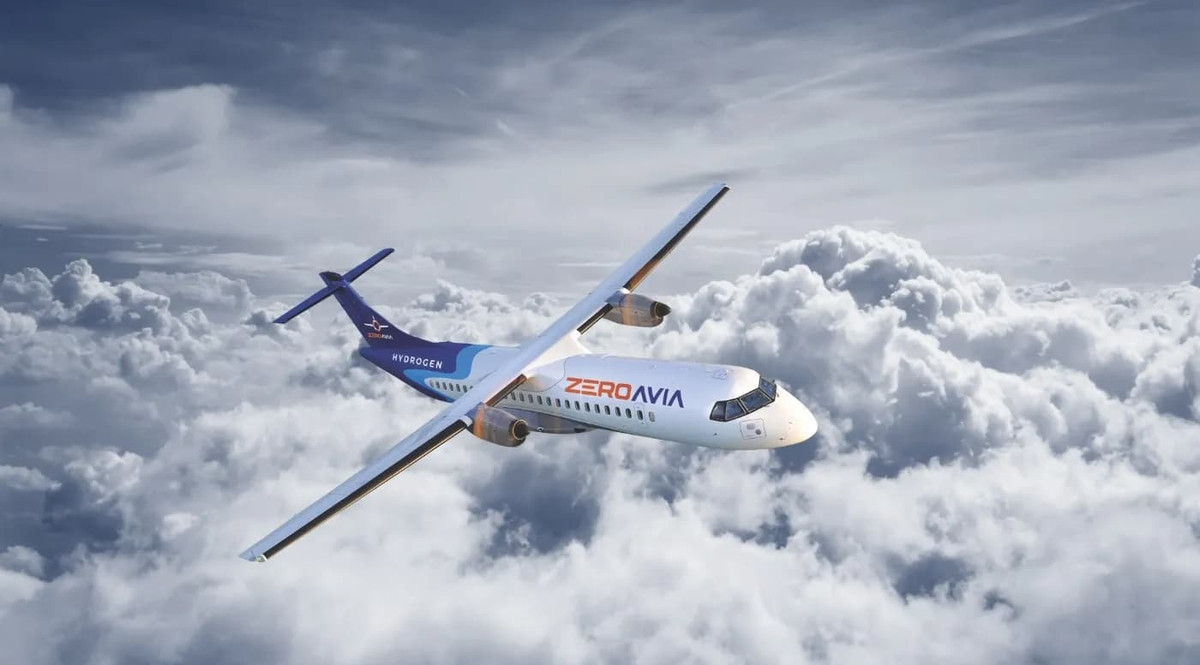
ZeroAvia has delayed its commercial entry timeline, with no service launch now expected before 2028 and its ZA600 programme pushed to at least 2030. The company is undergoing leadership transition and restructuring, concentrating resources on its ZA200 fuel cell system while cutting costs and workforce. The shift reflects broader financial and technical pressures in hydrogen aviation, as firms prioritise survival and staged commercialisation over parallel development. Hydrogen aviation firm ZeroAvia has pushed back its commercial timelines and narrowed its development strategy, following a leadership change and tighter funding conditions across the sector. The company now says it does not expect any product to enter service before 2028, with its larger ZA600 powertrain delayed until at least 2030. The revised schedule marks a further slippage from earlier expectations, as hydrogen propulsion programmes face continued technical and certification hurdles. ZeroAvia is also undergoing a search for a new chief executive after the departure of founder Val Miftakhov. In the interim, the business is being overseen by chair Christine Ourmières-Widener, who is leading a strategic reset focused on cost control and programme consolidation. The company has said it will now concentrate resources on its ZA200 fuel cell system, scaling back efforts across multiple parallel projects. The aim is to accelerate commercial readiness for a narrower product set, while building early revenue streams. In a statement, the company outlined priorities including streamlining operations, reducing costs and focusing investment on nearer-term commercial opportunities. Despite the delays, ZeroAvia says it remains committed to developing zero-emission propulsion systems for aviation. However, the revised plan underlines a broader shift in the sector, where companies are increasingly being forced to balance long-term technological ambition with shorter-term financial sustainability.